Between the Jungle and the Sea: Designing in the Caribbean Demands New Ways of Living
Designing in the Caribbean is not the same as designing anywhere else. Here, architecture does not merely coexist with the landscape: it has to respond to it actively. At MAAR we know that well. The jungle, the sea, the mangrove, the wind and the sun set the rules. And our task as architects is not to impose forms but to find the most sensitive way of inhabiting this context.
The tropical setting: an ecosystem that shapes architecture
The Mexican Caribbean is full of contrasts. Extreme climates, exuberant flora, fragile soils and views open to the horizon. All of it shapes decisions from the very first sketch. That is why one of the pillars of our work is reading a place as a living, dynamic and deeply sensitive system.
Designing in this setting means understanding how the rain behaves, the salinity of the air, the strength of the sun at different times of year and the natural rhythms of the mangrove. Every variable counts.
Climate: challenge and opportunity
The high temperatures, constant humidity and Caribbean winds demand integrated architectural responses. That is why our projects prioritise cross ventilation, precise orientation and materials that stand up to time in these conditions.
Volumes are broken up to let air circulate. Roofs are designed with appropriate pitches. Façades are protected with latticework or overhangs. Everything is conceived so that the climate becomes an ally rather than an obstacle.
Materials with a sense of place
Choosing materials is not only a matter of aesthetics or durability. It also speaks of a place. At MAAR we work with local stone, treated timber, exposed concrete and other elements that relate directly to their setting.
The intention is not to camouflage but to integrate with dignity — so that the passing of time does not wear a project down but enriches it.
A relationship with nature
One of the greatest challenges — and greatest assets — of designing in the Caribbean is the closeness of nature. Protected jungle, bodies of water, wildlife. Rather than seeing these conditions as constraints, we treat them as opportunities to design with more sensitivity.
Letting the land breathe, preserving existing trees, orienting views towards native landscape and creating in-between spaces such as terraces or courtyards are all part of the language through which we converse with the natural context.
Adapting without replicating
Although tropical design has common references, every project is unique. It is not about copying solutions but adapting them intelligently. The design has to respond to the exact location, to the use the space will be put to and to the way people will move through it.
A house by the sea, for instance, will not have the same needs as a hotel in the jungle. Though they share a climate, each poses different functional and formal challenges.
Concrete cases
At Secrets Moxché & Impression Moxché, we designed a hotel complex immersed in tropical vegetation, respecting the natural corridors and creating an experience that connects luxury, landscape and architecture. The massing strategy, the orientation of the spaces and the choice of materials all follow one key principle: integrate without invading.
At Casa AC, on a plot facing the mangrove in Puerto Cancún, the project rises to favour the views without interfering with the vegetation at ground level. The architecture becomes a visual bridge between jungle, lagoon and sea.
A new way of living
Designing in the Caribbean means questioning what is traditionally understood by comfort. Perhaps air conditioning is not needed if a space is well ventilated. Perhaps a well-placed patch of shade is worth more than a double-height ceiling.
Architecture becomes a tool for living better with less. For connecting with your surroundings. For enjoying the heat, the rain, the breeze. For inhabiting the landscape instead of shutting it out.
Real sustainability, not symbolic
Talking about sustainability in the Caribbean is not optional: it is an ethical obligation. But for us, sustainability is not a marketing device. It is a concrete practice. Designing for energy efficiency, reducing environmental impact, conserving species and natural systems, and choosing responsible materials are all part of our commitment.
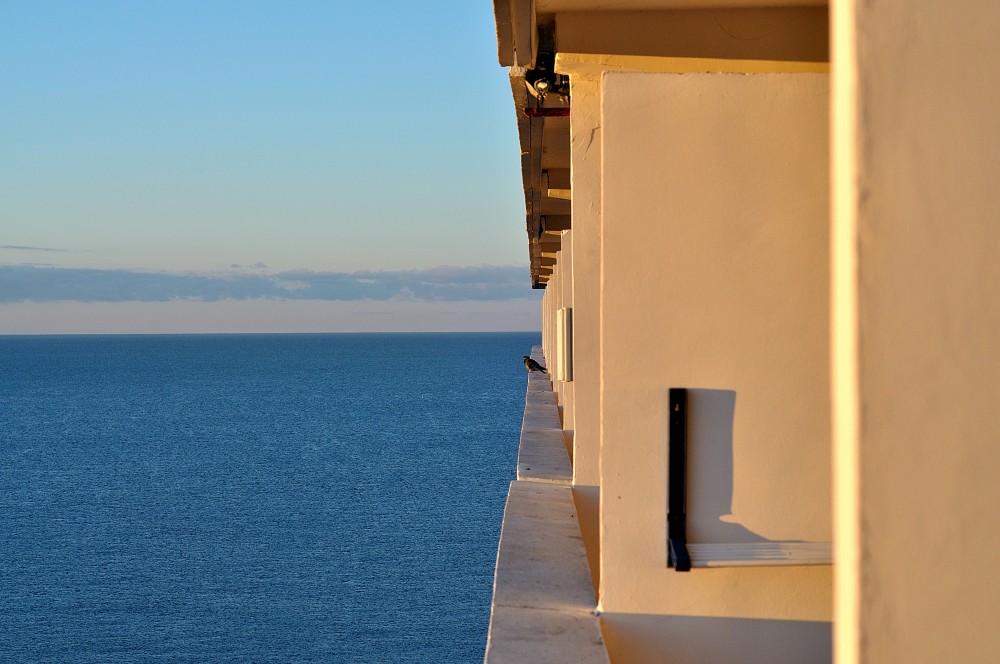
Designing between the jungle and the sea is an act of humility. It means observing before proposing. Listening before deciding.
At MAAR we believe the best projects in the Caribbean are those that understand that inhabiting this territory is a privilege — and that they must therefore live up to it.
We design with the landscape, not against it.
If you have a project in the Caribbean, get in touch.