Sustainable Architecture Trends for 2025: Materials, Design and a Vision for the Future
Sustainable architecture is no longer an option — it has become a necessity. Today, responsible design is a fundamental part of any architectural project that hopes to endure. At MAAR Arquitectura we understand sustainability as an ethical, aesthetic and functional stance.
For 2025, the trends in sustainable architecture point towards a complete integration of design, technology and environmental awareness. These are the main ones setting the course:
1. Responsible, low-impact materials The use of local, recyclable and low-energy materials is on the rise. Certified timber, adobe, rammed earth, eco-friendly concrete, natural fibres and plant-based insulation make it possible to build with a smaller environmental footprint. Modular and prefabricated systems, which reduce waste, are also gaining ground.
2. Passive design and energy efficiency The orientation of the building, the use of daylight, natural shading, cross ventilation and the thermal envelope are increasingly considered from the very first sketch. These elements reduce energy dependence and improve comfort.
3. Reuse and resilience More projects are opting to restore, readapt or convert existing structures, extending their service life. Architecture is also becoming resilient: designed to withstand extreme conditions such as heat, humidity or storms.
4. Technology in the service of efficiency From smart lighting systems to consumption sensors, technology makes it possible to optimise resources. Its use, however, should be strategic rather than invasive. What matters is achieving efficiency with low maintenance.
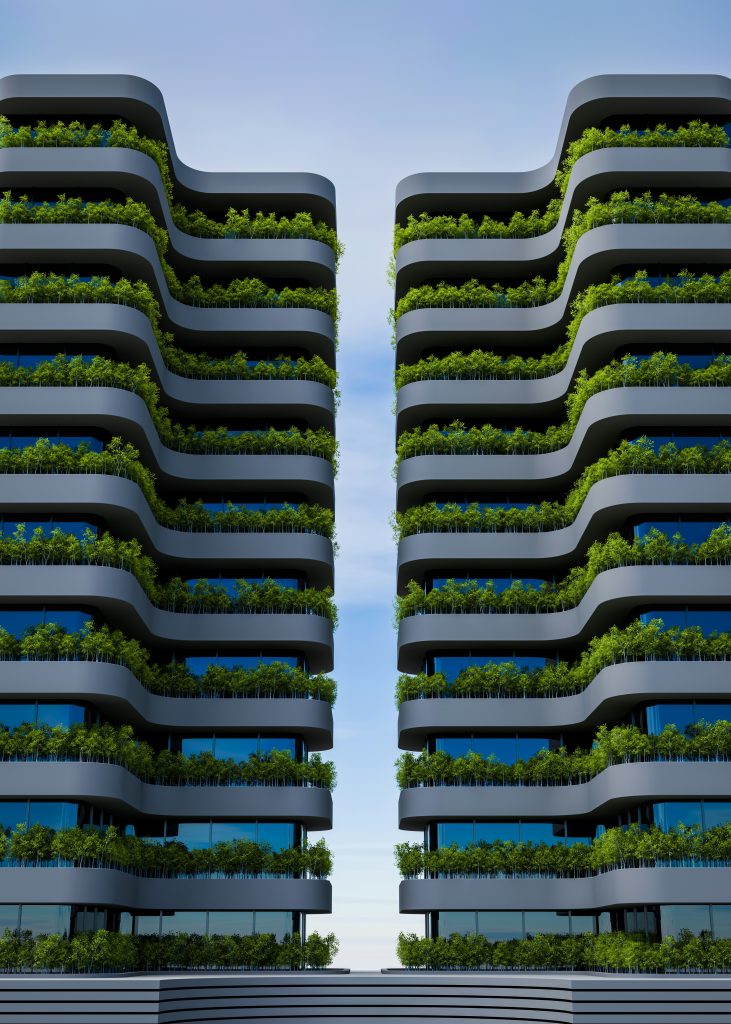
5. Landscape integration and environmental regeneration Respecting nature is no longer enough: it has to be regenerated. Sustainable projects incorporate rain gardens, green roofs, urban allotments and infiltration solutions to restore the ecological balance of their setting.
6. Wellbeing across the board Healthy spaces are taking hold. Natural ventilation, proper lighting, indoor air quality and non-toxic materials are all part of an architecture that looks after the physical and emotional health of the user.
7. Environmental certifications More and more developers are seeking certifications such as LEED, EDGE or WELL to demonstrate the environmental commitment of their projects. That also adds commercial value.
MAAR brings these trends together contextually, without rigid formulas. We design with purpose, adapting each solution to the place and to the way people live. We understand that sustainability is not an "extra": it is the foundation of the future.
Looking for a project that connects with the future?
Get in touch and let’s create something sustainable together