The Design Philosophy of MAAR Arquitectura Humana
At MAAR Arquitectura Humana, architecture is not only about putting up structures: it is about creating bonds. Between people and their surroundings. Between the past and the future. Between nature and design. On every project — a luxury resort, an urban development or a home — we ask ourselves one key question:
What does this place want to be?
A human approach, guided by the land
Our design process begins with listening: to the site, to the wind, to the light, to the social context. We believe in architecture that responds to a place rather than imposing itself on it. That is why our projects often look as though they emerged from the landscape rather than simply being built on top of it.
We use local materials, bring in native planting and apply principles of natural ventilation and energy efficiency. For us, sustainability is not a trend but a responsibility. Every space we design sets out to improve people’s lives and regenerate its setting.
Designing in harmony with the landscapes of Mexico
Mexico is a land of contrasts and natural power: jungles, deserts, coastlines, cenotes and volcanic mountains. Each place demands a unique response. Whether in the Riviera Maya, Valle de Bravo or Los Cabos, we adapt our architectural language to the essence of each territory.
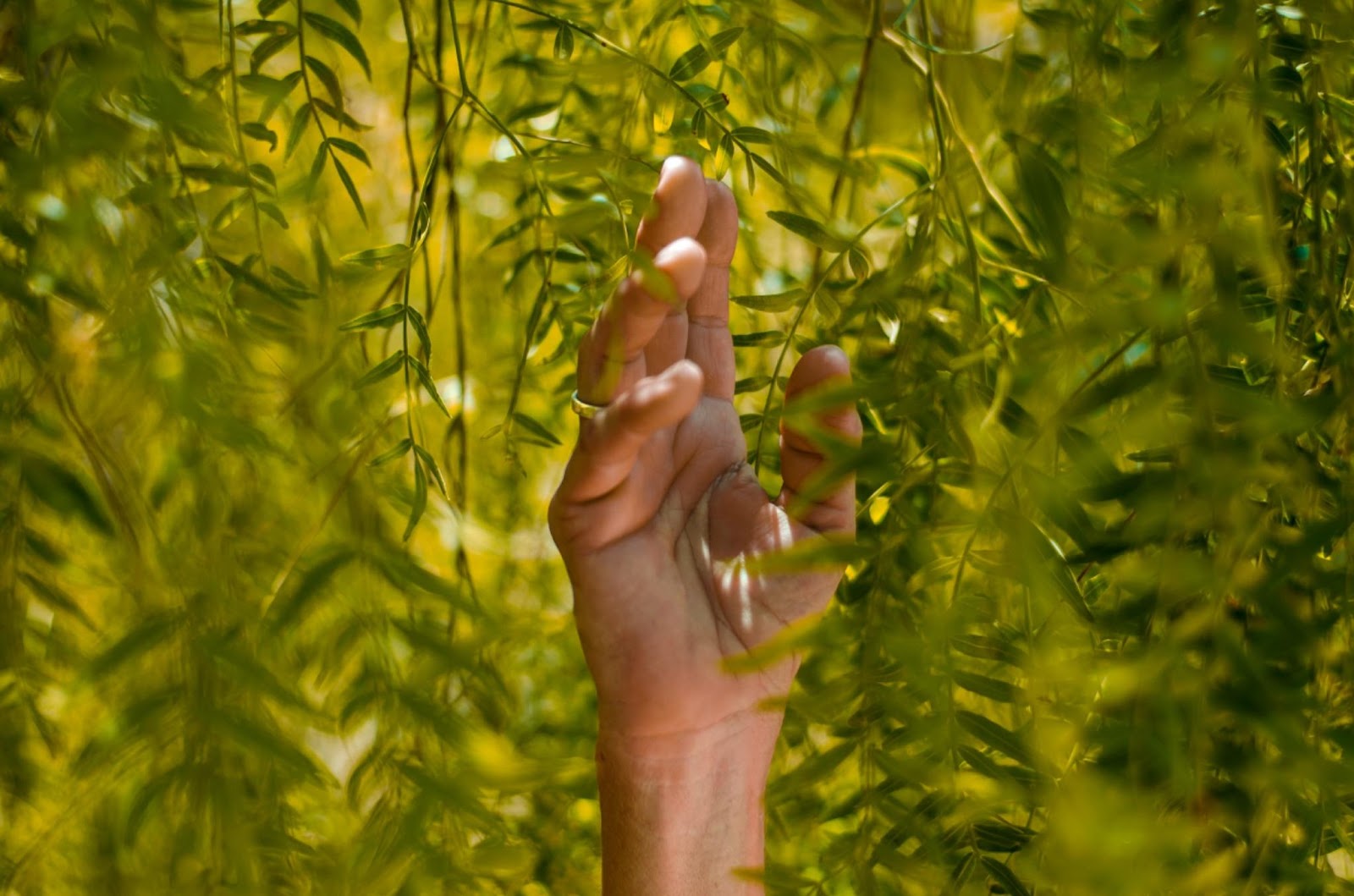
The result is a timeless architecture that does not chase trends but interprets the soul of a place in depth.
From large-scale master plans to residential interiors, we hold to the same vision: design must serve both people and the planet. We think about light, shade, cross ventilation, texture, silence and emotion. Whether it is a hotel room or an entire residential complex, every decision is intentional.
Just starting out with your project and unsure how to get the design right?
Send us your details and our team will help you create something singular, authentic and in harmony with its setting.
Get in touch here and take the first step towards a project with purpose.