Architectural Design That Connects with Its Setting
Designing with respect for the surroundings is one of the most important foundations of contemporary architecture. Long gone are the days when design imposed its presence without considering environmental, visual or cultural impact. Today, a genuinely successful architectural project is one that knows how to fit in, respond to its place and add value.
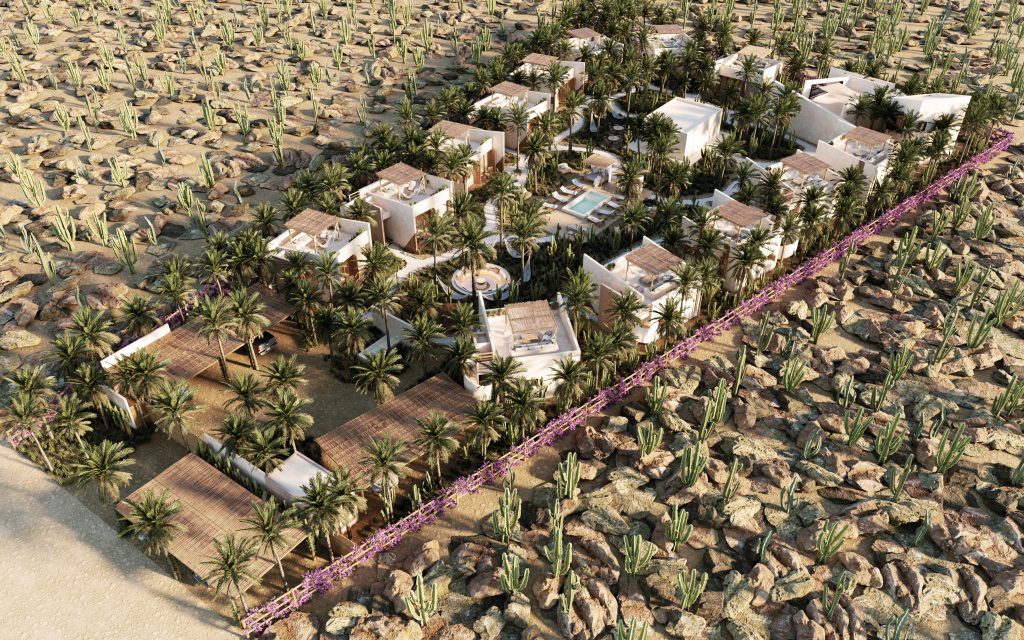
At MAAR Arquitectura we believe in architecture that grows out of the site. Looking at the land is not enough: you have to understand it, interpret it and hold a conversation with it. That approach produces architecture with character but without aggression; with intent but without forced prominence.
1. A deep analysis of the place
Before drawing a single line, we analyse the climate, the topography, the vegetation, the access points, the history and the urban fabric. That diagnosis reveals the opportunities and constraints that shape the project’s key decisions.
2. Visual and formal integration
Architecture that adapts to the landscape creates harmony. That does not mean camouflage, but coexisting in balance. Forms, heights, materials and colours should resonate with their setting.
3. Materials that speak to their context
Using local resources not only reduces costs and emissions, it also creates identity. Stone, timber and traditional finishes bring authenticity and respect for the culture of a place.
4. Minimising physical impact
Designing around trees, bodies of water or natural changes in level improves sustainability and creates a richer experience. Sometimes building less means building better.
5. Making the landscape the protagonist
The setting should not be seen as the "backdrop" to a project but as an active part of the design. Views, routes, shade, wind and natural sounds are all compositional elements.
6. Emotional architecture
Architectural projects that respect their setting also generate emotional wellbeing. A space that feels in harmony with its context brings calm, belonging and enjoyment.
7. Environmental education through design
When a building respects the place where it stands, it also teaches. Design becomes a tool for conveying values: respect, balance, belonging. The people who live in or visit a well-integrated project learn to look at their surroundings differently.
8. Long-term value
Well-integrated projects do not only bring environmental or social benefits, they are also more highly valued on the property market. Sustainable, respectful architecture is perceived as higher quality and more attractive to buyers and investors.
At MAAR, that vision shows at every stage: from the first sketch to the choice of the final finish. We design to coexist, not to dominate. To add, not to replace. Our commitment is clear: to create architecture with purpose, identity and respect for its context.
Have a plot of land and want to plan it thoughtfully?
Write to us and we will design it with you